
-
 18
Aug
18
Aug
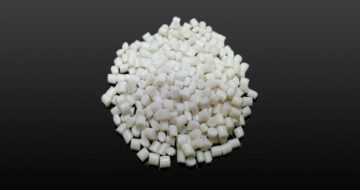
New Bioplastic Material promises More Durable Medical Implants
Bioplastics are emerging as one of the alternate options to the polymer that are derived from the fossil resources. This variant of polymer is elastic. It is tear and water resistant as well as suitable for food contact.
-
 18
Aug
18
Aug
Delivering on Short Notice Orders For Ventilator Parts
We specialize in precision CNC machining, with 5-axis milling and ultra-precise micromachining capabilities necessary for the production of ventilators, IV pumps, or personal protective equipment (PPE)
-
 18
Aug
18
Aug
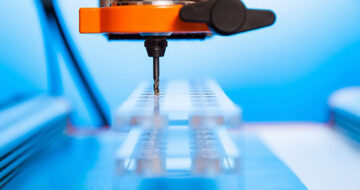
The Right Cutting Tools to Ensure Precision and Avoid Contamination
With the ever increasing use of routers to machine plastics, there has been a leap forward in the design of tooling to produce high quality finishes on a variety of products.
-
 08
Nov
08
Nov
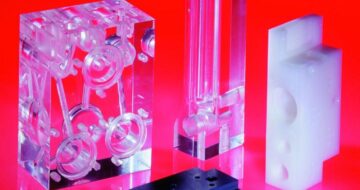
The Role of Machined Plastic Parts in Aerospace
Where would the aerospace industry be without plastics? Flight would be much more expensive, for one thing, and more limited for another. The combined properties of plastics make them uniquely suited to aerospace applications, which is why the use of plastic parts in aerospace design has quadrupled in the last 45 years.
-
 11
Mar
11
Mar
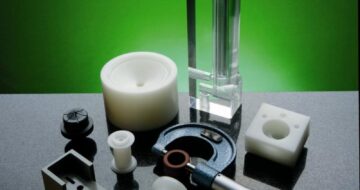
EPP’s Alex Curtiss featured in MDT Magazine
To read the article on the MDT Magazine website, click here. View the full MDT magazine layout spread, here. Plastics Machining Experts Can Prevent Device Contamination & Failing Parts Thu, 03/10/2016 – 10:38am by Alex Curtiss, President and CEO, Engineered Plastic Products Corporation It is natural for a company that makes highly sensitive medical devices to
-
 03
Mar
03
Mar
EPP’s Alex Curtiss featured in Sensors Magazine
Read the article on sensorsmag.com Why Using A Plastics Machining Specialist For Instrumentation Equipment Is The Best Choice January 29, 2016 By: Alex Curtiss, Engineered Plastic Products Corporation Initial Gander At first glance, it’s hard to see why it’s best to choose a plastics specialist to make a machined plastic part in your instrumentation product,
-
EPP’s Alex Curtiss is featured in Product Design and Development Magazine
Read the article on www.pddnet.com Plastics Machining Specialists Can Get Your Part Right the First Time Wed, 01/13/2016 – 9:42am by Alex Curtiss, President & CEO, Engineered Plastic Products Corporation, @EPPCorp Many designers don’t realize there are plastics machining specialists. That’s why they often turn to a metal machinist to make their plastic parts. But doing
-
Plastic Machining: Get Parts Fast With EPP’s Expanded Capacity
Need plastic machined components fast?- EPP has the solution Often times projects that require plastic machined parts can be given the green light at the last minute. A time crunch does not need to put you in a bind. Increased efficiency levels have led to EPP’s expanded capacity. Delivery times are as low as 2
-
Plastic Machining: EPP Featured in Aerospace Manufacturing and Design Magazine
Engineered Plastic Products is currently featured in Aerospace Manufacturing and Design Magazine. EPP Corporation CEO Alex Curtiss discusses how to achieve significant savings on plastic machining requirements specifically to the aerospace industry. EPP utilizes a proven supply chain management system that has been in place at the company over the past 15 years. EPP Corporation’s
-
Plastic Machining: Design Guide for Plastic Parts
How to use the Plastic Design Guide Refer to the Design Considerations at the bottom of this page. Consider whether each item on the checklist is a factor in the application or affects performance requirements for the component design. Select the categories that have the greatest affect on your application. Review the materials in the
-
Plastic Machining: Avoid 2015 Material Cost Increases, Order Now
Avoid price increases for production orders by placing 2015 orders now!! Information we have obtained suggests that plastic material costs will increase in 2015. In plastic machining, the ultimate cost of an order is dependent on two primary factors: material cost and total machining time. EPP strives to contain manufacturing costs through ongoing efficiencies however, containing
-
Plastic Machining: Selecting a Plastic Machining Vendor- Looking for the Best
Selection of a truly qualified plastic machining vendor is extremely important in today’s business environment. The time it takes to ask the right questions will pay big dividends – helping you obtain high quality machined plastic parts. And even though the rules for service and quality seem to be continually evolving, getting the best part
-
Plastic Machining: Selecting a Vendor Looking at Quality & Price
Quality, of course, is directly related to price. Make sure the vendors you interview can provide the highest quality part at the lowest price. Plastic machining vendors can keep errors to a minimum if they are highly process driven, are ISO Certified, use documented SPC procedures, and own the proper inspection equipment such as CMM
-
Plastic Machining: Selecting a Plastic Machining Vendor- Equipment
Ask about the type of equipment the potential plastic machining vendor uses. The well-equipped plastic machining vendor will look pretty much like a metal machining shop, but the true plastic machining specialist will have equipment that has been adjusted or re-built expressly for machining plastic material. The right equipment will machine plastic using the correct
-
Plastic Machining: Selecting a Plastic Machining Vendor- Purchasing Practices
Just as a metal machine shop is unlikely to have the material knowledge you need, neither are they going to be able to purchase plastics in large enough quantities to provide you with the best price. Likewise, find out if the plastic machining vendor candidates you are considering can purchase materials directly from material manufacturer.
-
Plastic Machining: Custom Plastic Manifolds
Plastic manifolds offer complex, clean, and easy to inspect fluid paths.
-
Plastic Machining: Custom Plastic Assembly
EPP Corporation’s plastic assembly services will allow you to consolidate vendors and achieve the lowest possible cost.
-
Plastic Machining EPP Corporation is Now on Google Plus
EPP Corporation is pleased to announce the introduction of our Google + page. Plastic machining and plastic prototypes expert Engineered Plastic Products Corporation can now be found on Google +. Add America’s Premier Plastic Machining Supplier to your circle today We will provide informative plastic machining advice and plastic prototype assistance, as well as post
-
Plastic Machining:Design Considerations For Plastic Prototypes
What design considerations are necessary when purchasing plastic prototypes with full function? In order to get to market fast, plastic prototypes should be fully functional. Plastic prototypes with full function of course offer the same tight tolerances and high precision as do plastic machined components, as they are one in the same. Simply fast, fully functional
-
Plastic Machining and Plastic Prototypes With Engineering Assistance From Experts-The Solution
Machining Plastic is the perfect solution for many varied component needs in numerous critical industries however, most engineers may not have the necessary knowledge. Many of the brightest, most talented engineers do not have the knowledge required in order to know what material is best for a component or plastic prototype need. Simply the reason
-
Plastic Machining:Plastic Prototypes Vendors, How To Select The Best
Guidelines For Selecting The Perfect Plastic Machining Vendor For Custom Prototypes When selecting the right vendor for plastic prototypes, the process is similar to selecting the right plastic machining production vendor. However, a greater emphasis on speed while maintaining the same quality of a production plastic machined component. Of course, a great advantage is present
-
Plastic Machining:Selecting The Right Plastic Material-Thermal Expansion
Not all plastic materials are suitable for every application. Properties such as temperature, water absorption, and wear resistance must be evaluated, in order to select the perfect material for a the specific part’s application. When selecting the proper material for any specific plastic application, the choice should be made with an emphasis on the most
-
Plastic Machining: Fast Plastic Prototypes or Production Plastic Machining-The Guidelines
When in need of plastic machined components, how should one decide whether place a fast plastic prototypes or production plastic machining order? In order to make a decision, lets discuss the two different ordering methods from EPP Corporation. Plastic Prototypes Typically the greatest advantage of utilizing our plastic prototypes capability is to receive your components
-
Plastic Machining: Engineering Help From Experts For Plastic Machining and Plastic Prototypes
A plastic machining expert can provide several advantages that a typical vendor cannot. From a true plastic machining expert comes years of experience and expertise. Through our 35 years of experience and expertise in custom plastic machining manufacturing at EPP, we are able to extend our hand to customers in regards to engineering assistance. We
-
Plastic Machining:Selecting The Right Plastic Material-Impact Strength
Not all plastic materials are suitable for every application. Properties such as temperature, water absorption, and wear resistance must be evaluated, in order to select the perfect material for a the specific plastic machined part’s application. When selecting the proper plastic material for any specific application, the choice should be made with an emphasis on
-
Plastic Machining:Eliminate High Administrative Costs Through Supply Chain Management
A plastic machining vendor with a proven supply chain system can save company the time and money associated with the constant placing of reoccurring orders. Certain plastic machined parts will be required on a repetitive basis, and why not focus on innovation instead? The typical practice in ordering plastic machined parts is as follows: The
-
Plastic Machining:Fast Plastic Prototypes-Don’t Slow Down Innovation
As the summer is about to end, so do vacations. Specifically in a down economy, innovation is key in order to compete both domestically and internationally. Don’t let slow plastic prototypes halt your research and development plans any further. Save time by ordering short-run, quick-turn plastic prototypes. Time is of the essence when
-
Plastic Machining: Custom Plastic Manifolds
Engineered Plastic Products specializes in plastic machined components used in fluid applications One specific capability that EPP provides in regards to the movement of fluid is our manufacturing of custom plastic manifolds. When compared to metal, plastic manifolds are lighter and more compact, easier to inspect, and provide more complex fluid paths. Contact the
-
Plastic Machining:Plastic Prototypes In Under A Week-The Solution To Quickly Perfect Design
Quick plastic prototypes can save a company the trouble of having a flawed part being ordered. When design changes are thought up, the risk of a piece not performing to specifications and requirements can come into play. Factors hindering performance may have been overlooked, and if a plastic part is ordered in a large quantity
-
Plastic Machining: Plastic Prototypes and Plastic Machining-Save Money and Time When Innovating
Fast Plastic Machined Prototypes as a Quick, Inexpensive Solution In the new product development process, teams are faced with two roadblocks: cost and time. Specifically in a down economy a business needs to be innovative in order to stand out from the competition. The initial frustration for research & development teams is cost. Valuable projects
-
Plastic Machining: Plastic Prototypes
Plastic Prototypes fast from EPP Corporation. Plastic machined prototypes in under a week. High precision plastic prototypes from plastic machining experts.
-
Plastic Machining: Selecting The Right Plastic Material- Heat Resistance
When selecting the proper material for any specific plastic application, the choice should be made given the material’s properties. One such property when purchasing custom plastic parts is heat resistant. Not all plastic materials are suitable for every application. Properties such as temperature, chemical resistance, and impact strength must be evaluated ultimately leading to the
-
Plastic Machining: How To Save On Plastic Machined Parts-Eliminate Inspection Costs Through Supply Chain Management
Can a Plastic Machining Specialist eliminate the need for expensive plastic machined parts inspection processes? Yes, a plastic machining expert with a proven supply chain management system eliminates the need to inspect incoming plastic machined components. The incoming plastic machining parts inspection process of course incurs additional costs. The inspection department ordinarily inspects each shipment
-
Plastic Machining: The Importance of Contaminant-Free Parts
Is cleanliness important in regards to plastic machining? Yes, contaminant-free components will provide with the best form, fit, and performance Specifically in chromatography, or other applications that may be used for in the medical industry, or for FDA approved uses, having clean, contaminant-free parts is essential. To assure that plastic components are in fact contaminant
-
Plastic Machining: How To Save On Plastic Machined Parts-Lowering Unit Cost Through Supply Chain Management
Can A Plastic Machining Specialist Reduce Unit Cost on Plastic Machined Components? Yes, a plastic machining expert can provide significant cost savings on plastic machined components by reducing unit cost. However, the plastic machining expert must utilize a proven supply chain management system. Utilizing a proven system allows for the plastic machining expert to provide
-
Plastic Machining: Controlling Plastic Machining Inventory-Supply Chain Management As A Cost Cutting Solution
Does Supply Chain Management Substantially Cut Inventory Costs? Yes, one substantial benefit of selecting a plastic machining vendor that utilizes a proven Supply Chain Management system for plastic machining component purchases is the reduction on your stock inventory, of course resulting in lower inventory costs. The conventional plastic machining purchasing method is to purchase additional plastic machined
-
Plastic Machining: Plastic Machining Expert-Benefits a Real Expert Should Provide
Is it important to have my plastic machined components manufactured by a plastic machining specialist? How do I know if my vendor is an expert? YES-Selecting the right vendor is crucial, especially when selecting a plastic machining vendor. Select an expert for the best results. To be a true plastic machining expert, a vendor must provide the
-
Plastic Machining: Plastic Machining Expert and EPP Corporation CEO Alex Curtiss Interviewed by Dustin Mattison
Plastic Machining expert, EPP Corporation President and CEO Alex Curtiss was interviewed by Dustin Mattison from the Kinaxis Supply Chain Expert Community on July 26, 2011. Play the video below to hear Mr. Curtiss and Mr. Mattison discuss the subject of how U.S. manufacturers remain competitive compared to Asian sourcing. Here’s a small excerpt from
-
Plastic Machining: Selecting The Right Plastic Machining Vendor For Your Custom Plastic Machined Parts
Not all plastic machining vendors are equipped to offer all parts. Other plastic machining companies may not be able to give you the best prices. The following guidelines can help you locate a fully-qualified, cost effective plastic machinining specialist for all your plastic machined component needs: Material Knowledge Purchasing Practices Equipment Quality and Price Looking
-
Plastic Machining: Free, Helpful Tools in Selecting Plastic Machined Component Materials
All plastic materials are not created equal. When having custom plastic machined parts produced, it is crucial to select the appropriate materials in order for the plastic machined components to meet desired specifications and performance requirements. In order to simplify the process of selecting the appropriate plastic material for your machined plastic parts, EPP Corporation offers
-
Plastic Machining: Rest Assured with EPP’s Proven Supply Chain Method
Reduce stress, guarantee delivery, and save money on plastic machining production orders The typical plastic machining order process involves submitting new requests for quote and purchase orders each time requirements are approaching. While this process is common in order to prevent the carrying of excess inventory, excess time and money are wasted in order for
-
Plastic Machining: Machined Plastic Components-A Low Cost, New Product Development Solution
New product development teams nationwide are frustrated with corporate cost cutting and lack of capital for their R&D plans. Valuable projects are put on hold because R&D budgets cannot cover the expensive introductory costs of new tooling and initial manufacturing of new designs. In today’s economic environment, corporate cost cutting is needed to help companies
-
Plastic Machining: Why Select a Plastic Machined Components Manufacturer with ISO Certification?
Is It Important To Choose a Plastic Machining Vendor That is ISO Certified? Yes, selecting an ISO certified plastic machined components vendor ultimately provides an assurance that purchasers of plastic machined components will receive parts that meet their individual specifications and requirements. The ISO system allows the producer to not only ensure that they meet
-
Plastic Machining: Selecting The Right Plastic Machining Vendor For Your Custom Plastic Machined Parts
Not all plastic machining vendors are equipped to offer all parts. Others may not be able to give you the best prices. The following guidelines can help you locate a fully-qualified, cost effective plastic machining specialist for all your plastic machined components: Material Knowledge Purchasing Practices Equipment Quality and Price Looking For the Best Be
-
Plastic Machining: In a Time Crunch? – The Solution
Fully Functional Plastic Prototypes In Under A Week Are The Answer Throughout the R&D process delays are expected. Projects are often put on hold for months, only for a deadline to another project quickly approach. At EPP Corporation, our delivery dates are typically 2-3 weeks from order date on production plastic machining orders however, what
-
Plastic Machining: Stay Domestic for Your Custom Plastic Machined Parts Needs
While the trend has been to outsource production, and to purchase from overseas companies as a cost cutting mechanism, is purchasing from a foreign firm the right move for a company in need of custom machined plastic components? The simple answer to this question is…NO If components are ordered from a foreign firm, the move
-
Plastic Machining: Using a Metal Machining Company to Produce Plastic Machined Parts: The Risks
Engineers and buyers often reach out to metal machining companies to produce plastic machined parts, thinking, “They use the same manufacturing processes, don’t they? Does it really matter?” It does matter. If you’ve wondered whether you should have a metal machinist produce your plastic machined parts, The Short Answer Is – No, You Should Not
-
Plastic Machining: Custom Plastic Components- Molding vs. Machining
With every project that includes plastic components, you will need to answer the question, “Should I machine or mold this part?” The two major factors needed to reach your conclusion are quantity of parts and level of dimensional tolerance. As a general rule, you should consider plastic machining when lower volumes are needed or tighter
-
Plastic Machining: Announcing Short-Run, Quick-Turn Plastic Prototype Capability
Exciting News from plastic machining specialists EPP to existing and future customers EPP Corporation is pleased to announce our new short-run, quick-turn Custom Plastic Prototype Capabilities -delivery in one week or less · Plastic prototypes in one week or less · Highest quality on tolerances up to +/- .001″ · Both simple & complex 3D
-
Plastic Machining: A Safer, Cost Effective Alternative to Asian Outsourcing
A cost saving method for plastic machining- without the risk from EPP American companies in the past have seen Asian outsourcing as a viable solution in regards to purchasing plastic machined parts. However, there is another solution, offered by plastic machining experts EPP Corporation. The Risks of Outsourcing When outsourcing to Asia, delivery times often
-
Plastic Machining: How EPP Can Help
If you’re designing or purchasing plastic machined custom parts for the medical, aerospace, instrumentation, oil and gas, we’re an experienced source of plastic machining supply. At EPP Corp. we can help with: Highest precision plastic machined components Free plastic machining application engineering Free Design Guide for Plastic Machining Free Plastic Materials Handbook Helpful Articles Pre-production
-
Plastic Machining: How to Save on Plastic Machined Parts
Current purchasing methods evaluated Traditionally, buyers send requests for quote to three plastic machining vendors each time a requirement for low volume components presents itself. The plastic machining vendor then provides a quote on the best price in several quantities with their best delivery. After all quotes are evaluated, purchase orders are placed with the lowest bidder.
-
Plastic Machining: Selecting a Plastic Machining Vendor- Material Knowledge
Quiz potential vendors on their knowledge of various materials and applications. Ask them to share the information they have from their material manufacturers. Do they have any property charts or plastic material handbooks to give you? Specialists in plastic machining should have a wealth of up-to-date information. Material knowledge is a critical area. Good plastic machining
-
-
Near Net Molding
With competitive pricing on quantities ranging from 100 pieces to 10,000 pieces and lead times as short as 3 weeks, why take the risk of going overseas?